 Eastbound Finds
Not sure if you are at a shrine or a temple in Japan – or whether to clap? This guide explains the difference between a Shinto shrine and a Buddhist temple and the basic etiquette at each, based on the Association of Shinto Shrines and Japan’s tourism organization. In short: at a shrine you bow twice, clap twice and bow once; at a temple you put your hands together quietly and do not clap. This is a guide to culture and manners, not to religious belief. Checked on 10 October 2026.
Key points
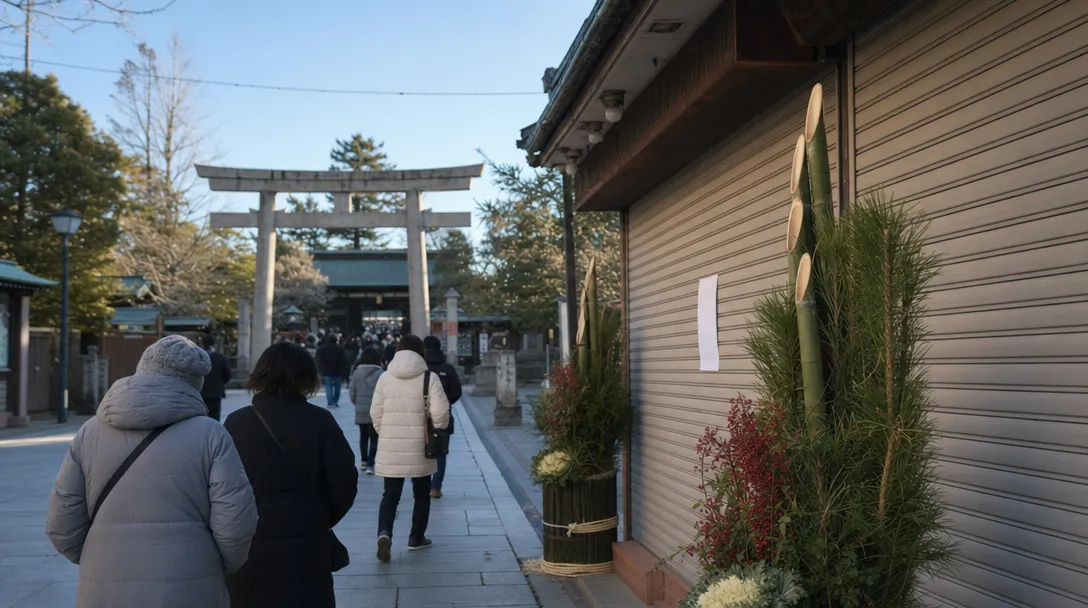
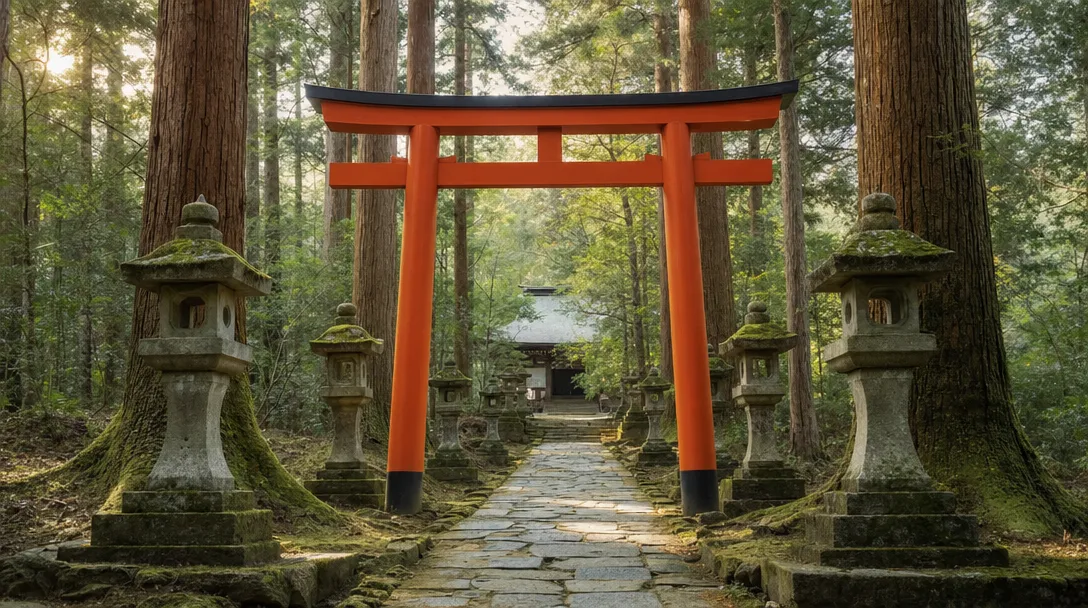
- A shrine (jinja) belongs to Shinto and usually has a torii gate at the entrance; a temple (tera) belongs to Buddhism and usually has a sanmon gate.
- At a shrine the basic form is: bow twice, clap twice, bow once (nirei nihakushu ippai).
- At a temple you put your hands together quietly and bow; you do not clap.
Show more
- Visitors of any religion may visit Japanese shrines, according to the Association of Shinto Shrines, and there is no fixed amount for the coin offering.
- Photos of buildings and grounds are usually allowed, but not where signs forbid it, during ceremonies or of people praying.
Shrine vs temple: what is the difference?
| Shrine (jinja, -jingū, -taisha) | Temple (tera, -ji, -in) | |
|---|---|---|
| Religion | Shinto | Buddhism |
| Venerated | kami (Shinto deities) | Buddhas and bodhisattvas |
| Entrance | torii gate | sanmon gate |
| How to pray | bow twice, clap twice, bow once | hands together, a quiet bow – no clapping |
| Often seen | water basin, offering box, bell, sacred rope | water basin (at some), incense burner, Buddha statues |
Names help too: places ending in -jinja, -jingū or -taisha are shrines (for example Meiji Jingū), and places ending in -ji or -dera are temples (for example Sensō-ji).
AdvertisingQuick pick: Guided temple and shrine tours in Kyoto – GetYourGuide
 Mikan's note: Before you go: temple halls often mean taking off your shoes, so wear shoes you can slip off easily and bring clean socks. Hours differ from place to place and single halls may close earlier than the grounds, so check the official site the day before.
Why there are so many shrines and temples – often side by side
Japan has a great many of both. In the Agency for Cultural Affairs’ Religious Yearbook (2025 edition, figures as of 31 December 2024), there are 84,014 registered Shinto religious corporations – most of them shrines – and 76,493 Buddhist ones, most of them temples. The Association of Shinto Shrines speaks of about 80,000 jinja. The same yearbook counts about 86 million Shinto and 80 million Buddhist adherents, together far more than Japan’s population, partly because each group defines and counts its own members. The Association of Shinto Shrines itself notes that most people who take part in Shinto would describe themselves as having no religion, or as Buddhist.
That overlap goes back a long way. According to Kokugakuin University’s Encyclopedia of Shinto, the blending of kami worship and Buddhism had its roots in the Nara period (710–794), and at many sites you could no longer tell shrine from temple. In 1868 the new Meiji government issued edicts separating the two (shinbutsu bunri): Buddhist elements were removed from shrines, and many temples and Buddhist treasures were destroyed. You can still see the trace in Tokyo. Asakusa Shrine, right beside Sensō-ji, was known as Sanja Gongen; after the 1868 edict it was renamed Sanja Myōjin-sha, and in 1873 it received its present name, according to the shrine’s own history page.
Small details are worth a closer look. The pair of lion-dogs at a shrine entrance (komainu) are traditionally seen as guardians of the sacred space, and the Association of Shinto Shrines says the oldest stone pair in Japan is the one at the Nandaimon gate of Tōdai-ji – a temple, not a shrine. Some shrines have other animals instead, regarded as messengers of the enshrined kami: foxes at Inari shrines and oxen at Tenmangū shrines. Figures and history in this section checked on 19 October 2026.
 Related guidesJapan Autumn Leaves Forecast 2026: Peak Dates for Kyoto, Tokyo and Nikko
How to pray at a Japanese shrine, step by step
- At the torii: bow once before you go in. Walk a little to the side of the path, not in the exact centre.
- Wash at the water basin (temizuya): take the ladle in your right hand and pour water over your left hand, then switch and wash your right hand. Pour a little water into your left palm and rinse your mouth – never put the ladle to your lips. Finally rinse your left hand again. (Association of Shinto Shrines)
- At the hall: quietly put a coin in the offering box. There is no fixed amount. If there is a bell, you can ring it.
- Bow twice, clap twice, bow once: bow deeply twice, clap your hands twice at chest height, put your hands together for a quiet prayer, then bow once more.
Some shrines use their own form. If there is a sign, follow the shrine’s way.
How to pray at a Japanese temple
Temples are less strict about the order of steps, but calm behaviour is expected.
- If there is a water basin, wash your hands and mouth as at a shrine.
- Put a coin in the offering box, put your palms together, pray silently and bow. Do not clap.
- Incense (osenkō): at many temples you can buy a bundle. Light it from the flame provided (not from incense other people have offered), put out the flame by waving your hand – not by blowing – and place it in the burner. Unless a sign says otherwise, one stick is enough; some Buddhist schools offer three (Aichi Now).
- You may need to take off your shoes to enter temple buildings, and step over the raised threshold rather than on it.
Photos, clothes and other manners
- Photos: pictures of buildings and grounds are usually allowed, but some places forbid them – look for signs, and do not photograph inside halls where it is not allowed. Avoid taking photos during ceremonies, in front of the offering box, or of people while they pray, and ask before photographing people.
- Clothes: there is no strict dress code for visitors, but modest clothes are best. Bring clean socks for temple halls.
- Voices: keep your voice down, especially near the halls.
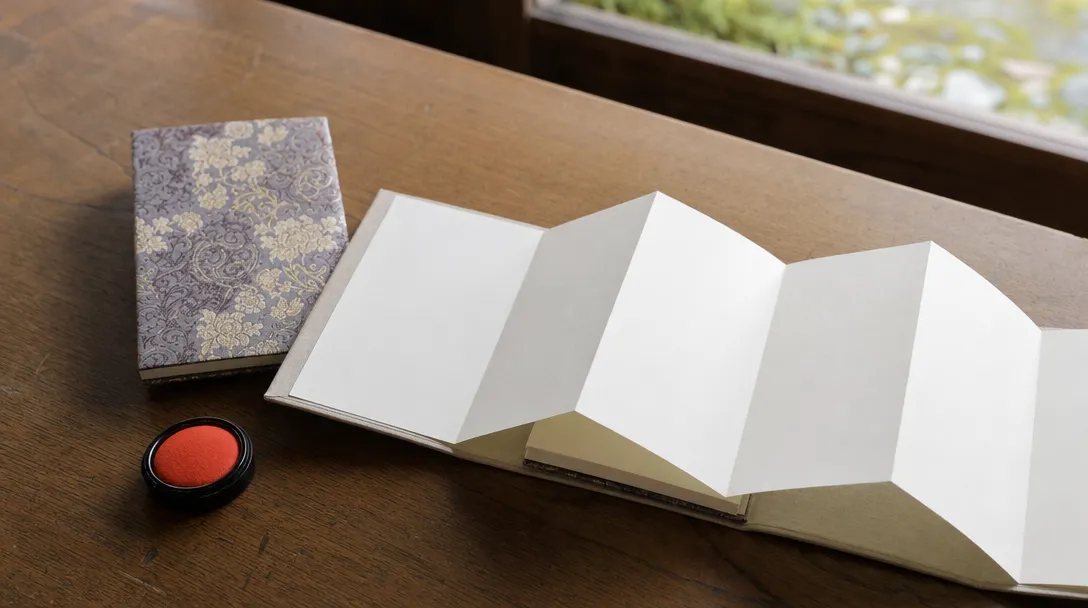
- Omamori and goshuin: charms (omamori) and temple or shrine stamps (goshuin) are received at the shrine or temple office as part of a visit, not bought as souvenirs. The Association of Shinto Shrines notes that it is better to receive a few from different shrines rather than many identical ones.
Visiting with a guide
If you want to understand more of what you see, consider booking an English-speaking guide. Our guide to cultural experiences in Japan explains how to choose and book experiences, and what to check before you pay. Heading to Fushimi Inari? Our Kyoto experiences guide covers guided walks there, the hourly crowd forecast and the manners Gion residents ask of visitors.
Read next: Goshuin in Japan: How to Get Temple and Shrine Stamps and Choose a Goshuincho · Temple Stay, Zazen and Sutra Copying in Japan: How to Book in English