 Eastbound Finds
On Mount Kōya, 52 of the town’s 117 temples take overnight guests, so you sleep inside the temple grounds. Here are the answers to the three questions people ask first – what a night costs, how to get there and whether you need cash – and then covers zazen meditation in Kyoto and sutra copying at Tōdai-ji in Nara. Short answer: a night with two meals starts at 13,200 yen per adult, the trip from Namba takes about 1 hour 40 minutes to 2 hours on Nankai (not covered by the JR Pass), and many temples expect cash. This is a guide to culture and manners, not to religious belief. Checked on 20 October 2026.
◎ Language: No translator needed (English available)
Koyasan temple lodgings can be booked on the Koyasan Shukubo Association's English website, and Kyoto's tourist information sheet lists zazen sessions with English (for example Shunkō-in), but some sessions take bookings by phone in Japanese only. (Checked: )
Key points
- A night in a Koyasan temple lodging (shukubo) with dinner and breakfast starts at 13,200 yen per adult for a room divided by sliding paper doors, and at 30,000 yen for a room with its own toilet and bath (Koyasan Shukubo Association, checked 20 October 2026).
- From Namba in Osaka, the Nankai Limited Express takes about 1 hour 40 minutes to Koyasan and the Express about 2 hours, with a change to the cable car at Gokurakubashi; Nankai is not covered by the Japan Rail Pass.
- Wakayama's official tourism site says shukubo payment is typically cash only, although some temples, such as Ekō-in, accept cards – bring yen and check the plan page.
Show more
- In Kyoto, some zazen sessions run in English with online booking, and at Tōdai-ji in Nara you can copy a sutra for 1,500 yen without a reservation.
- These are active temples: the temple sets the meal, bath and gate times, and the stay is a cultural experience, not a religious commitment.
What makes a night on Mount Kōya different
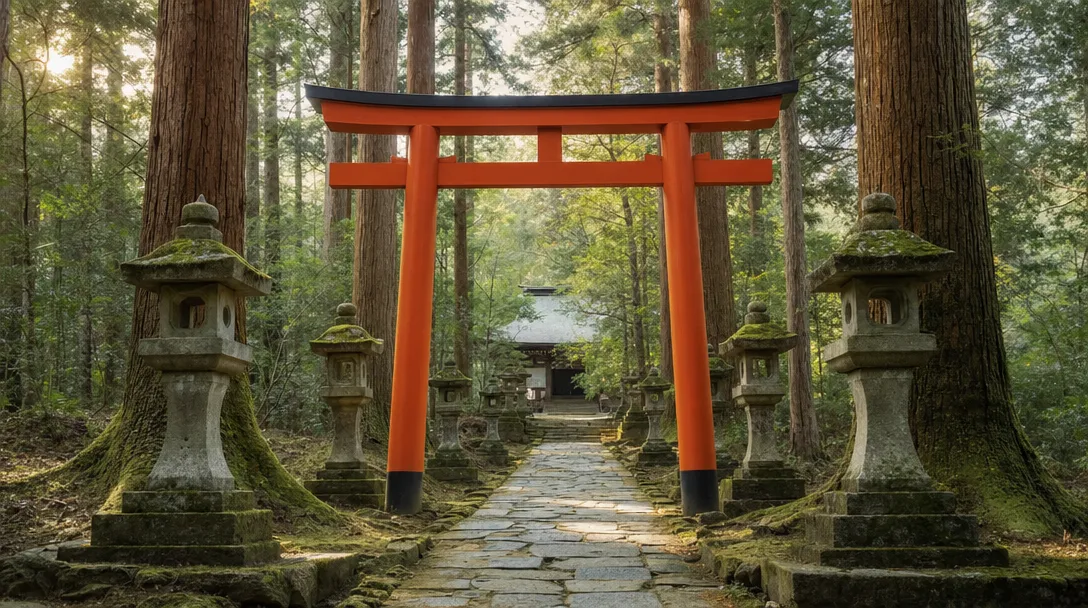
Koyasan is a town of temples on a mountain in Wakayama Prefecture. The Koyasan Shukubo Association counts 117 temples there, and 52 of them take overnight guests – you are not sleeping in a hotel next to a temple but inside the temple grounds, with the monks’ daily routine around you. At Rengejō-in, for example, dinner is at 18:00, the curfew at 21:00, morning prayers at 6:00 and breakfast at 7:00; Ekō-in holds a service and a goma (fire) ritual every morning and says overnight guests are welcome to attend. Dinner is shōjin ryōri, which Wakayama’s official tourism site describes as vegan cuisine prepared in line with Buddhist teachings.
AdvertisingQuick pick: Temple lodgings (shukubo) and hotels in Koyasan – Trip.com
 Mikan's note: Hold on! At a shukubo the temple sets the dinner time, bath hours and curfew, and request bookings expect you to check in between 15:00 and 17:00. Check your train from Osaka against that, bring enough yen in case the temple takes cash only, and write any vegan or allergy needs in the booking.
After dark, the draw is Okunoin, the cemetery that Visit Wakayama says holds over 200,000 monuments and graves, leading to the mausoleum of Kōbō Daishi, the founder of Shingon Buddhism, and to Tōrōdō hall with its thousands of donated lanterns. A daily English-language night tour leaves from Ekō-in at 19:00, and on the 20th of each month a free lantern procession starts at 19:00 from the Ichinohashi office (the service at Tōrōdō is in Japanese).
Koyasan, Kyoto and Nara at a glance
Language: ◎ = booking and guidance in English. ○ = Japanese only, but you can book online or need no booking, so a translation app is enough to take part. △ = phone booking in Japanese only.
| Experience | Example we checked | Booking | Language |
|---|---|---|---|
| Temple stay (shukubo), Koyasan | Koyasan Shukubo Association (20 Oct 2026) | English website; instant booking at some temples, request booking at others | ◎ |
| Zazen, Shunkō-in (Myōshin-ji), Kyoto | Kyoto Tourist Information Center sheet, June 2026 | required, on the website | ◎ (listed as English) |
| Zazen, Shōrin-ji (Tōfuku-ji), Kyoto | same sheet | required, website or phone | ◎ (Japanese and English listed) |
| Zazen, Kennin-ji, Tenryū-ji (Yūun-an), Kyoto | same sheet | not needed; on set Sundays | ○ (Japanese; just turn up) |
| Zazen, Enkō-ji (Sunday early morning), Kyoto | same sheet | phone by the day before, Japanese only | △ |
| Sutra copying, Tōdai-ji (Sashizu-dō), Nara | Tōdai-ji official site (20 Oct 2026) | not needed (groups of 10 or more: contact first) | ◎ (English instructions on the site) |
Schedules change. The Kyoto sheet itself says information is subject to change, so check the temple’s own website before you go.
 Related guidesJapan Autumn Leaves Forecast 2026: Peak Dates for Kyoto, Tokyo and Nikko
Koyasan temple stay: price, payment and house rules
Price. The Koyasan Shukubo Association’s booking page gives these starting rates for one night with dinner and breakfast, per adult, tax included (checked 20 October 2026):
| Room type | From |
|---|---|
| Room divided by fusuma (sliding paper doors) | 13,200 yen |
| Room with solid walls | 16,500 yen |
| Room with its own toilet | 19,800 yen |
| Room with toilet and bath | 30,000 yen |
These rates assume the room is used by the number of guests the temple sets; one person alone in a room costs more. Children of primary-school age pay 70%, 50% or 30% of the adult rate depending on age and whether they get meals and bedding.
Booking. On the association’s English website, some temples (for example Hōjō-in, Kōdai-in and Fudō-in) confirm instantly; others are booked “by request” through the association. For request bookings, the association asks guests to check in between 15:00 and 17:00.
Cash or card. Visit Wakayama says shukubo payment is typically cash only. That is not true everywhere – Ekō-in says it accepts most credit cards and several kinds of e-money – and on the association’s site, a card payment is charged 30 days before your stay, while “local payment” depends on the temple and plan. Read the payment line on the plan page and bring enough yen either way.
Before you book, check: whether guests can join the morning service, the dinner time (if you arrive late, tell the temple), whether the toilet and bath are shared, the cancellation policy in your confirmation email, and any vegan, allergy or other diet needs.
Getting to Koyasan from Osaka (and why the JR Pass won’t help)
The route runs on the Nankai Koya Line from Namba to Gokurakubashi, where you change to the Koyasan cable car up to Koyasan Station, then a local bus into town. According to the Koyasan Shukubo Association, Namba to Koyasan takes about 1 hour 40 minutes by Limited Express (only 4 round trips a day) and about 2 hours by Express, which runs roughly every 30 minutes. The Limited Express Koya needs a reserved-seat ticket on top of the fare: 1,100 yen from Namba to Gokurakubashi, 300 yen more if you buy it on board (Nankai, checked 20 October 2026).
Nankai is a private railway and is not on the Japan Rail Pass’s list of valid lines, so budget for the Nankai fare even if you hold a JR Pass. Nankai also sells a Koyasan World Heritage Digital Ticket (round-trip train plus a two-day Koyasan bus pass, valid two days); check its current price on Nankai’s site.
Zazen meditation in Kyoto
Zazen is seated meditation in Zen Buddhism. Kyoto’s tourist information centre publishes a list of zazen sessions at member temples (June 2026 edition). Shunkō-in at Myōshin-ji is listed as English with booking on its website, while many others are regular Sunday-morning sessions in Japanese. At the no-booking sessions marked ○ above, a translation app and watching the people around you are usually enough to follow along.
- Wear loose clothes; you sit on the floor.
- Arrive early, switch off your phone and stay silent.
- Follow the instructions on posture, bowing and when to move.
- No photos unless the temple says you may.
Sutra copying (shakyō) at Tōdai-ji
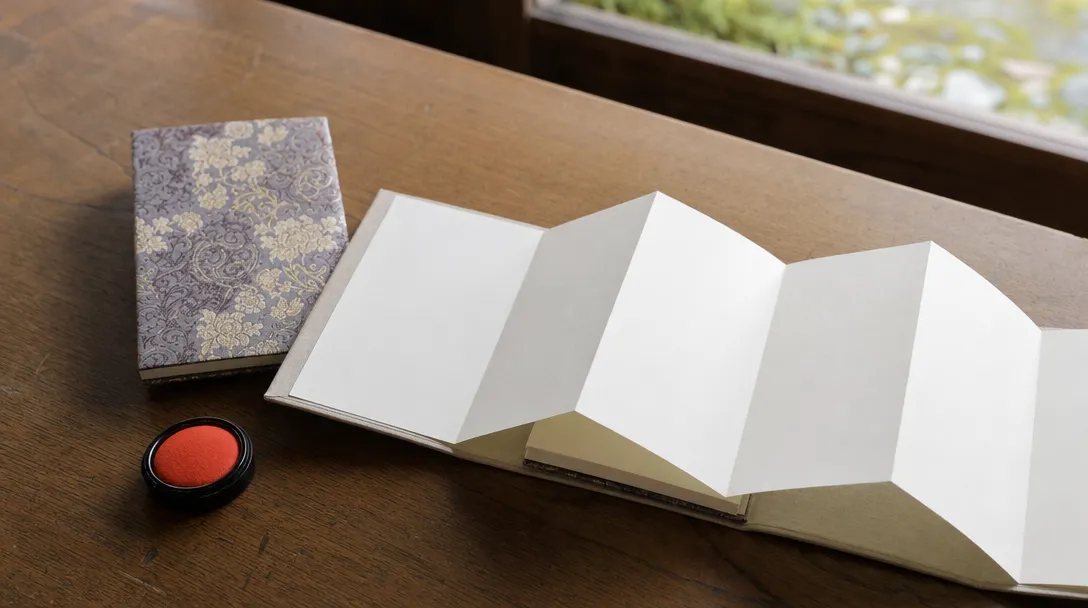
At Sashizu-dō in Tōdai-ji, Nara, you trace a sutra with a brush on paper laid over a model, or trace a Buddhist image (shabutsu) instead. What makes it memorable is where the sheet goes: Tōdai-ji says the completed sutra is offered and kept inside the Great Buddha. The offering is 1,500 yen for sutra copying and 3,000 yen for image tracing, with no reservation needed (groups of 10 or more should contact the temple first). If the room is unavailable, the temple announces it on its news page.
If you also want a goshuin (temple seal) on the same visit, see our goshuin guide.
When booking is hard without Japanese (△)
Some zazen sessions take bookings only by phone in Japanese (the Kyoto sheet marks these as “Japanese only”). Ways to join anyway:
- ask your hotel to call for you;
- choose a session listed with English and online booking;
- join a guided tour with an interpreter.
One question tends to come up at the first temple gate: do you bow, rinse your hands or light incense first? Our guide to shrine and temple etiquette covers the basics, and our overview of cultural experiences in Japan shows what else you can book.