 Eastbound Finds
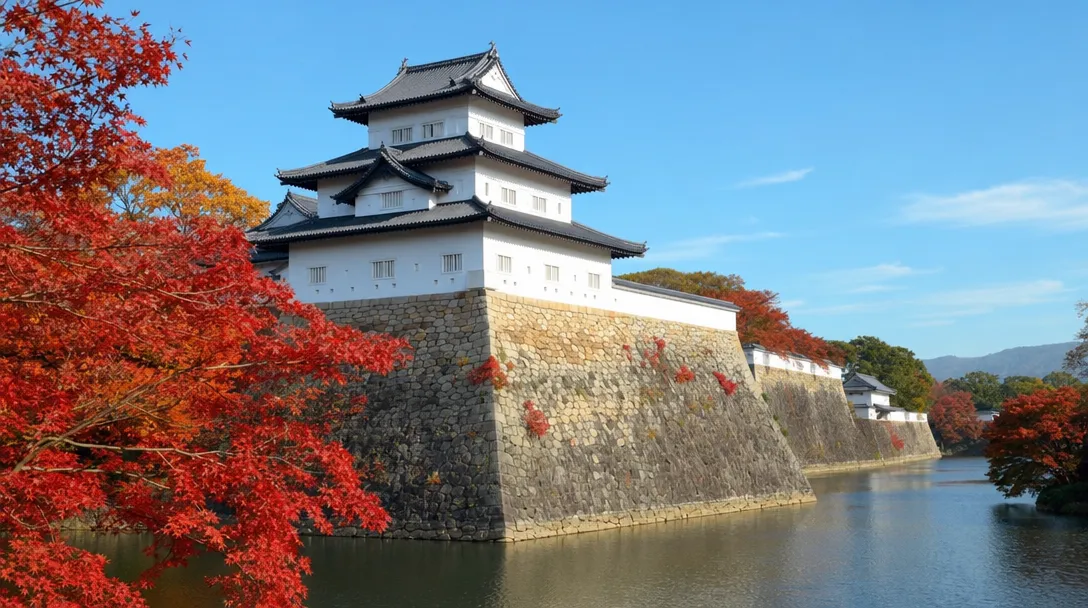
Hana here: the keep at Hikone Castle wasn’t built here. Hikone City says it was taken from Otsu Castle, another castle on Lake Biwa, and rebuilt here in the early 1600s. It’s one of only five castle keeps in Japan that are National Treasures, it has a famous cat mascot called Hikonyan who comes out to meet visitors every afternoon, and it’s on its way to becoming a World Heritage Site. Below are the facts on all three, plus tickets, hours and how to get there from Kyoto (all checked on the official sites on 27 October 2026).
◎ Language: No translator needed (English available)
No booking is needed for the castle (tickets at the gate), and English-guided Hikone Castle tours are sold on GetYourGuide; the official castle and city sites are in Japanese. (Checked: )
Key points
- Hikone Castle in Shiga is one of Japan's 12 castles with an original keep and one of only five whose keep is a National Treasure.
- Hikone City says the keep was moved from Otsu Castle, and repairs between 1955 and 1964 found traces that back this up.
- Admission is ¥1,000 for adults (¥300 for children) including Genkyuen garden, or ¥1,500 with the Hikone Castle Museum; the castle is open 8:30 am–5 pm, last entry 4:30 pm.
Show more
- Hikonyan usually appears at 1:30 pm in front of the keep and at 3 pm at the Hikone Castle Museum gate (both at the museum gate in bad weather).
- Hikone Castle is not a World Heritage Site yet: Japan chose it as its nomination in September 2026, and the decision is expected at the 2028 World Heritage Committee.
A castle built from other castles
Hikone Castle was the home of the Ii family, close retainers of the Tokugawa shoguns. Work began in 1604 on the orders of Tokugawa Ieyasu, and the official castle site says the whole castle took about 20 years, finishing around 1622. The keep came first: Japan’s Cultural Heritage Online notes ink inscriptions on its timbers showing it was finished by 1606 at the latest.
AdvertisingQuick pick: Hikone Castle tours and tickets – GetYourGuide
 Mikan's note: Hikone City warns there are a lot of slopes and stone steps, no lifts, and steep, narrow stairs inside the keep, so wear shoes you can climb in. The daytime ticket doesn't get you into the evening Genkyuen light-up.
That speed has an explanation. In today’s words, Hikone is a recycled castle:
- The keep came from Otsu Castle. Hikone City says the keep is the one that stood at Otsu Castle, around today’s Hama-Otsu on Lake Biwa. Repair work in the Showa 30s (1955–1964) found traces that back this up.
- Other castles gave their stones and buildings too. According to the city, stones from the walls of Sawayama Castle and of the abandoned Otsu, Nagahama and Azuchi castles, and even turrets and gates, are said to have been reused here.
- The Tenbin-yagura turret is said to have come from Nagahama Castle, and when the Taikomon-yagura gate was taken apart for repairs, the timbers showed it had been a gate at some other castle first.
So if you’ve seen “Japan castle moved” stories online, this is the real one: not the whole castle on rollers, but a keep taken apart, carried and rebuilt.
Why the keep is a National Treasure
Japan has 12 castles whose keeps survive from the Edo period or earlier. Only five of those keeps are National Treasures: Matsumoto, Inuyama, Hikone, Himeji and Matsue. Hikone’s was designated in 1952.
The keep has three storeys and three floors inside. Cultural Heritage Online describes walls, eaves and gables finished in white plaster, with gold-leaf metal fittings and lots of black lacquer. You can go inside: the city notes there are no lifts and the stairs inside the keep are steep and narrow, so it isn’t accessible for wheelchairs.
 Related guidesWhat to Wear in Japan in November: Weather by City and Week (°C and °F)
Is Hikone Castle a World Heritage Site?
Not yet, and here’s exactly where it stands as of October 2026:
| Year | Step |
|---|---|
| 1992 | Added to Japan’s World Heritage tentative list |
| 2023–2024 | Preliminary assessment with UNESCO’s advisers |
| 3 September 2026 | Japan’s Council for Cultural Affairs provisionally picks Hikone Castle as the country’s nomination |
| By 30 September 2026 | Draft nomination sent to UNESCO |
| By 1 February 2027 | Formal nomination, then evaluation by ICOMOS including a site visit |
| 2028 | World Heritage Committee decides (Hikone City’s target) |
Any site calling it “UNESCO-listed” today is ahead of itself. The earliest it can be listed is 2028.
Hikone Castle tickets, hours and the museum
From Hikone City’s visitor page (updated 30 December 2025):
| Ticket | Adult | Elementary / junior high |
|---|---|---|
| Hikone Castle (includes Genkyuen garden) | ¥1,000 | ¥300 |
| Genkyuen garden only | ¥400 | ¥150 |
| Set ticket: castle + Genkyuen + Hikone Castle Museum | ¥1,500 | ¥550 |
| Hikone Castle Museum only | ¥700 | ¥350 |
- Hours: 8:30 am–5 pm, last entry 4:30 pm. Open every day of the year.
- The Hikone Castle Museum keeps its own hours: 9 am–5 pm from 1 October to 30 November, and 9 am–4:30 pm from December to February (last entry 30 minutes before closing). It closes from 25 to 31 December and on some other days, and the set ticket isn’t sold while the museum is closed.
- Parking: the tourist car park costs ¥1,000 per car per day.
- Free: the Kaikoku Kinenkan hall inside the grounds is free to enter.
Genkyuen autumn light-up: dates for 2026
Genkyuen is the garden included in your castle ticket. Each November it also opens at night for an autumn light-up. The 2026 dates from the Hikone Tourism Association:
- When: 14–29 November 2026, 6–9 pm (last entry 8:30 pm)
- Tickets: adults ¥900, children ¥450 (¥700 / ¥350 if bought in advance, up to 11:45 pm three days before). A night ticket that also covers the castle costs ¥1,400 / ¥600, but it’s sold only at the entrances on 14, 21, 22 and 28 November, 6–7 pm
- Note: your daytime castle ticket isn’t valid at night, advance tickets can’t be refunded, and the event can be cancelled in bad weather.
If you’re chasing leaves on a Kansai trip, our Japan autumn leaves guide has the official maple dates city by city.
Hikonyan: what time does it appear, and where?
Hikonyan is a white cat wearing the Ii army’s red samurai helmet. Hikone City says it was born on 13 April 2006 as the mascot for the castle’s 400th anniversary festival the next year, and the name was picked from 1,167 entries. The cat comes from a local legend: Ii Naotaka, the second lord, is said to have been saved from a thunderstorm when a cat beckoned him in at a temple gate. Hikonyan even has a special resident card from the city, and in 2026 it turned 20.
The regular schedule, from the appearance schedule site the city lets fans run:
| Good weather | Bad weather | |
|---|---|---|
| 1:30–2:00 pm | In front of the keep | Hikone Castle Museum (Kabuki-mon gate) |
| 3:00–3:30 pm | Hikone Castle Museum (Kabuki-mon gate) | Hikone Castle Museum (Kabuki-mon gate) |
| 11:00–11:30 am (weekends and holidays) | Yonbancho Square in town | Yonbancho Square |
The museum gate is in the free area, so you can see Hikonyan there without a ticket. Times change on festival days (for example on 3 November for the castle festival parade), and appearances are cancelled when storm warnings are issued, so check the schedule on the morning you go. For its 20th birthday on 13 April 2026, the city held a ceremony at the castle.
Hikonyan merch: the Hikonyan Shop at Yonbancho Square (opened 2023) sells Hikonyan and “Warunyanko Shogun” goods, and since April 2026 Hikonyan-packaged sweets such as baumkuchen have been sold at a Hikone shop (彦根美濠の舎) and online.
How to get to Hikone Castle from Kyoto, Osaka and Tokyo
From the Hikone Tourism Association:
| From | Train | Time to Hikone Station |
|---|---|---|
| Kyoto | JR Special Rapid (Shinkaisoku) | about 46 min |
| Osaka | JR Special Rapid | about 80 min |
| Tokyo | Shinkansen to Maibara, then JR 5 min | about 2 h 10 min to Maibara |
| Nagoya | Shinkansen to Maibara, then JR 5 min | about 30 min to Maibara |
From Hikone Station it’s about a 15-minute walk to the castle. That makes Hikone an easy half day from Kyoto: if you’re planning the rest of your Kyoto days, our list of Kyoto experiences to book ahead covers tea ceremonies and Fushimi Inari.
The castle that was carried here
Hikone’s keep has already moved once, and in 2028 the castle may be added to the World Heritage List. Which other autumn events can you fit into the same November trip, from castle parades to harvest festivals? See our guide to Japan’s autumn festivals.