 Eastbound Finds
Christmas Day is a normal working day in Japan, but 23 November is a national holiday. Japan’s calendar rarely matches the one at home, so this page sets out its seasonal events month by month, one well-known matsuri for most months with its 2027 dates, the dates that move every year, and the 2027 public holidays. If you’re going this winter, start with the short list just below. Dates and sources last checked on 18 October 2026; the November–December list on 1 November 2026.
Key points
- Japan has a well-known festival in most months: Sapporo Snow Festival (4–11 February 2027), Sanja Matsuri (14–16 May 2027), Gion Matsuri (July), Aomori Nebuta (2–7 August), Jidai Matsuri (22 October) and Chichibu Night Festival (2–3 December).
- Golden Week (29 April to 5 May) and Obon (around mid-August) are the busiest travel periods, so book trains and hotels early.
- Some dates change every year: moon viewing (Otsukimi) is on 15 September in 2027, and cherry blossoms (late March–early April) and autumn leaves (mid-November–early December in Tokyo and Kyoto) depend on the weather.
Show more
- Christmas and Halloween are popular in Japan but are not public holidays.
- Japan's public holidays in 2027 include 1 January, 11 January, 3–5 May, 19 July, 11 August, 20 and 23 September and 3 and 23 November.
AdvertisingQuick pick: Japan travel guidebooks – Amazon.com
 Mikan's note: Wait! Hotels near a big festival fill up early and often cost more on festival days. Check until when you can cancel for free, and keep a spare day: Aoi Matsuri and Jidai Matsuri are postponed if it rains.
Coming up: November–December 2026
| When | What’s on | Read more |
|---|---|---|
| 3 November (Tue) | Culture Day, a national holiday | – |
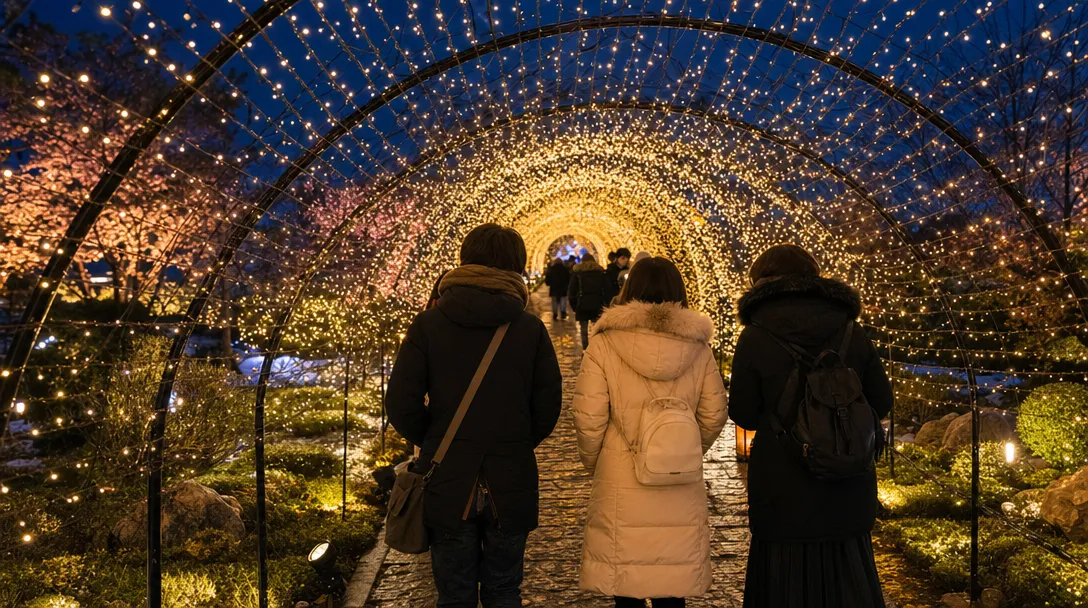
| From 12 November | Marunouchi Illumination by Tokyo Station, 4–11 pm (until midnight in December) | Winter illuminations 2026–27 |
| About 13 / about 23 November | Autumn leaves start to peak at Mt Takao (Tokyo) / Arashiyama (Kyoto), Weathernews forecast of 29 October | Autumn leaves forecast |
| Around 15 November | Shichi-go-san, a shrine visit for children aged 3, 5 and 7 | – |
| 23 November (Mon) | Labour Thanksgiving Day, a national holiday | – |
| All November | Cooler days: what to pack | November weather and what to wear |
| 24–25 December | Christmas – not a holiday | Christmas in Japan |
| Early January | New Year lucky bags (fukubukuro) | Fukubukuro guide |
What is a matsuri?
A matsuri is a local festival, very often the annual festival of a shrine. In 2016, Japan’s Yama, Hoko, Yatai float festivals were added to UNESCO’s Intangible Cultural Heritage list: a group of 33 festivals, including Kyoto’s Gion Matsuri, the Takayama Festival and the Chichibu Night Festival, in which local people pull decorated floats through town to pray for the safety of the community and to ward off disaster (Cultural Heritage Online, Agency for Cultural Affairs). At Takayama, for example, more than ten richly decorated floats parade through the streets, mechanical karakuri puppets perform on some of them, and at night the floats are lit with paper lanterns.
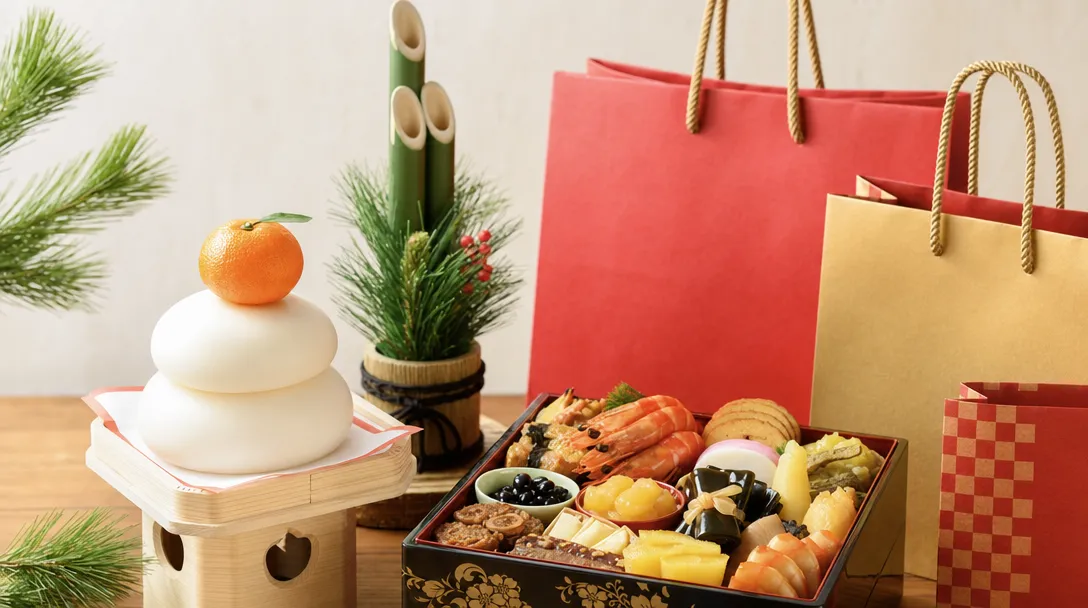 Related guidesFukubukuro Lucky Bags: 3 Ways to Buy One from Abroad Before They Sell Out
Famous Japanese festivals by month
“Every year” means the festival keeps the same dates each year; check the organiser’s site for the 2027 programme before you book (dates checked on 18 October 2026).
| Month | Festival | Where | Dates |
|---|---|---|---|
| February | Sapporo Snow Festival | Sapporo, Hokkaido | 4–11 February 2027 (announced; the official site says details will be updated) |
| April | Takayama Spring Festival (Sannō Matsuri) | Takayama, Gifu | 14–15 April every year |
| May | Sanja Matsuri – portable shrines (mikoshi) | Asakusa, Tokyo | 14–16 May 2027 (Asakusa Shrine; may change) |
| May | Aoi Matsuri | Kyoto | 15 May every year (postponed if it rains) |
| July | Gion Matsuri | Kyoto | All of July every year; float processions 17 and 24 July (Yoiyama evenings 16 and 23 July) |
| August | Aomori Nebuta Matsuri | Aomori | 2–7 August every year (evening parades 2–6 August; daytime parade, fireworks and parade on the sea on 7 August) |
| August | Awa Odori | Tokushima | Within 11–15 August every year |
| September | Kishiwada Danjiri Matsuri – wooden floats pulled at a run through town | Kishiwada, Osaka | 19–20 September in 2026; 2027 dates not yet announced |
| October | Takayama Autumn Festival (Hachiman Matsuri) | Takayama, Gifu | 9–10 October every year |
| October | Jidai Matsuri – historical costume parade | Kyoto | 22 October every year (postponed if it rains) |
| November | Karatsu Kunchi – hikiyama floats | Karatsu, Saga | 2–4 November every year |
| December | Chichibu Night Festival – floats and kasaboko | Chichibu, Saitama | 2–3 December every year |
Kyoto has three of these festivals (Aoi in May, Gion in July and Jidai in October), so it is worth checking the calendar before you choose your Kyoto dates. Awa Odori is the one where visitors can join in: here is how the free walk-in group works, and Tokushima vs Koenji.
Japan’s seasonal events by month
| Month | Event | Date | What happens |
|---|---|---|---|
| January | New Year (Shōgatsu) | 1–3 January | Family time, special New Year food (osechi), first shrine or temple visit (hatsumōde). Many shops and offices close. |
| February | Setsubun | Around 3 February | Bean throwing (mamemaki) to welcome spring. |
| February | Valentine’s Day | 14 February | Women traditionally give chocolate. |
| March | Hinamatsuri (Doll Festival) | 3 March | Dolls displayed for girls’ health and happiness. |
| March | White Day | 14 March | Return gifts for Valentine’s chocolate. |
| March–April | Cherry blossoms (hanami) | Late March–early April in Tokyo and Kyoto | Picnics under the trees. Earlier in the south, later in the north. Average full bloom: 31 March in Tokyo, 4 April in Kyoto (Japan Meteorological Agency). |
| April–May | Golden Week | 29 April–5 May | A string of holidays; trains and hotels are very busy. |
| May | Children’s Day | 5 May | Carp streamers (koinobori) flown for children. |
| June | Rainy season (tsuyu) and hydrangeas | No fixed date | The rainy time of year in most of Japan except Hokkaido; hydrangeas (ajisai) bloom in temple gardens and parks. |
| Late June–July | Sagaribana (powder-puff tree) blooms | Nights in early summer | In Okinawa and Amami the flowers open after dark and fall by dawn: where and when to see sagaribana. |
| July | Tanabata (Star Festival) | 7 July (August in some areas) | Wishes written on paper strips and hung on bamboo. |
| July–August | Fireworks festivals (hanabi taikai) | Weekends in summer | Many people wear yukata (light cotton kimono). |
| August | Obon | Around mid-August | Families return to their hometowns to remember their ancestors; Bon dances. Busy travel period. |
| September | Moon viewing (Otsukimi) | 25 September 2026, 15 September 2027 | Admiring the harvest moon with rice dumplings (tsukimi dango). |
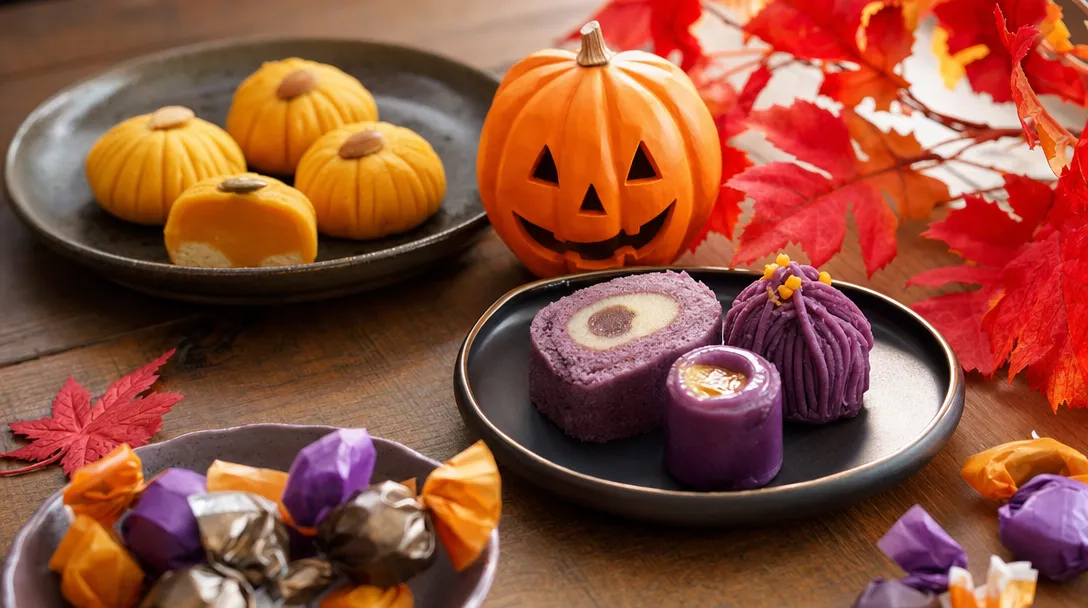
| October | Halloween | 31 October | Costumes and limited snacks – see Halloween in Japan. |
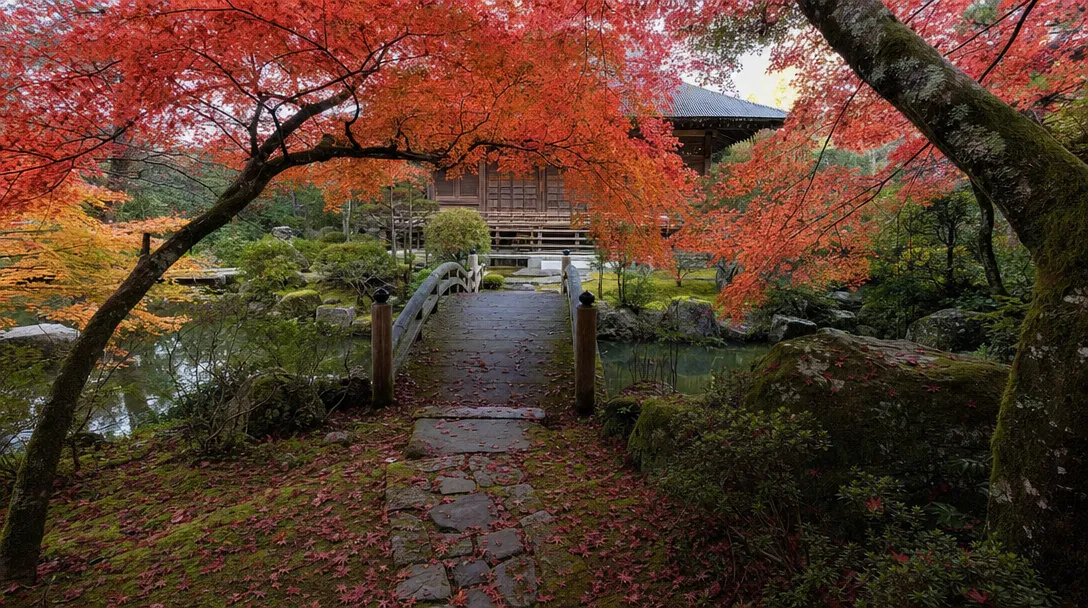
| November | Autumn leaves (kōyō) | Mid-November–early December around Tokyo and Kyoto | Maple and ginkgo viewing. Earlier in Hokkaido and the mountains. |
| November | Shichi-Go-San | Around 15 November | Children aged 3, 5 and 7 dress up for a family photo and shrine visit. |
| December | Christmas | 24–25 December | Illuminations and Christmas cake; not a holiday. |
| December | New Year’s Eve (Ōmisoka) | 31 December | Year-end cleaning, toshikoshi soba noodles. |
Before visiting a shrine or temple at New Year, Obon or Shichi-Go-San, read our guide to shrine and temple etiquette.
Which dates change every year?
- Moon viewing (Otsukimi) follows the old lunar calendar. It was 25 September in 2026 and will be 15 September in 2027 (National Astronomical Observatory of Japan, via Tottori Prefecture).
- Cherry blossoms depend on the weather. The Japan Meteorological Agency’s 1991–2020 averages put the first blossoms on 24 March in Tokyo and 26 March in Kyoto, and full bloom on 31 March in Tokyo and 4 April in Kyoto.
- Autumn leaves also move every year. The Agency’s average maple “colouring date” is 28 November in Tokyo and 5 December in Kyoto, but that is the day most leaves on one observed tree have turned, not the start of the best viewing. For 2026, the Japan Weather Association (tenki.jp, forecast of 14 October 2026) expects the best colours from about 13 November at Arashiyama in Kyoto and about 19 November at Mount Takao near Tokyo. Check the forecasts in the weeks before your trip.
- Fireworks and local matsuri are set by each city and can be cancelled in bad weather. Check the organiser’s website.
Japan public holidays 2027
| Date | Holiday |
|---|---|
| 1 January | New Year’s Day |
| 11 January | Coming of Age Day |
| 11 February | National Foundation Day |
| 23 February | Emperor’s Birthday |
| 21 March (+22 March substitute holiday) | Vernal Equinox Day |
| 29 April | Shōwa Day |
| 3 / 4 / 5 May | Constitution Day / Greenery Day / Children’s Day |
| 19 July | Marine Day |
| 11 August | Mountain Day |
| 20 September | Respect for the Aged Day |
| 23 September | Autumnal Equinox Day |
| 11 October | Sports Day |
| 3 November | Culture Day |
| 23 November | Labour Thanksgiving Day |
Source: Cabinet Office of Japan. Obon and the New Year days after 1 January are not official holidays, but many companies close.
Tips for planning your trip
- Golden Week, Obon and New Year are the busiest times for domestic travel. Book trains and hotels early, or travel just before or after.
- Spring and autumn are popular with visitors for cherry blossoms and autumn leaves – expect crowds in Kyoto.
- December has more than illuminations: see Christmas in Japan for how the season is celebrated.
- Summer is hot and humid but is the main season for matsuri and fireworks.
- Want to add a hands-on activity? See cultural experiences in Japan.
- Planning your dates? Check the Japan public holidays 2027 first: Golden Week and New Year are the busiest times to travel.