 Eastbound Finds
Halloween isn’t banned in Japan – but around Shibuya Station you can’t drink on the street after 6 pm, any night of the year. Japan’s Halloween is a costume event, not a trick-or-treat night: at Ikebukuro you need a ticket just to wear a costume or take photos, and a full-body banana costume costs ¥3,289 at Don Quijote. Below are the 2026 events with dates, what each one expects from you, and Shibuya’s rules. All dates checked on official pages on 14 October 2026.
Key points
- Halloween in Japan is on 31 October, a Saturday in 2026, and it is not a public holiday.
- The main dated events in 2026 are the Ikebukuro Halloween Cosplay Festival (30 October–1 November), Disney Halloween at Tokyo Disney Resort (16 September–31 October) and Halloween Horror Nights at Universal Studios Japan (from 11 September; the autumn season runs to 8 November).
- Kawasaki Halloween, still listed on many travel sites, ended: the organiser announced its end on 24 August 2021.
Show more
- Around Shibuya Station, drinking on the street is banned every night from 6 pm to 5 am, and for 30 October–1 November 2026 the ward adds extra guards and fences off the Hachikō statue.
- Costumes are sold cheaply in Japan: Daiso lists kids' capes, hats and headbands at ¥110–550, and Don Quijote sells full costumes for about ¥3,000–5,500.
Halloween in Japan 2026: the events with dates
| Event | Where | 2026 dates | What you need to know |
|---|---|---|---|
| Ikebukuro Halloween Cosplay Festival | Ikebukuro, Tokyo | 30 Oct (night, 16:30–22:30, Sunshine City); 31 Oct–1 Nov (10:00–18:00, around Ikebukuro) | Ticket needed to cosplay or photograph; the night is 18+ only |
| Disney Halloween | Tokyo Disneyland and DisneySea (Chiba) | 16 Sep–31 Oct | Full costumes only 15–30 Sep and 16–31 Oct |
| Halloween Horror Nights | Universal Studios Japan, Osaka | From 11 Sep; autumn season until 8 Nov | Zombies in the park after dark; one attraction is 18+ with a separate paid ticket |
| Harajuku Omotesando Hello Halloween Pumpkin Parade | Omotesando, Tokyo | Sun 25 Oct (road closed 13:00–14:30) | Children’s parade; participation tickets sold out on 10 Oct |
| Shibuya | Around Shibuya Station | Extra measures 30 Oct–1 Nov | Not an event: street drinking banned at night, crowd control |
Ikebukuro Halloween Cosplay Festival is the one to choose if you want to dress up yourself. Cosplay tickets cost ¥2,980 per day in advance (¥3,480 on the day) and the Friday night event ¥3,480; tickets are sold online through the official site. Children’s tickets (primary-school age and under) are ¥500, paid in cash on the day, and preschoolers go free. One rule surprises visitors: you must change in the festival’s changing rooms – arriving already dressed from home or your hotel is not allowed, except with the festival’s own Sunshine City Prince Hotel package.
AdvertisingQuick pick: Anime cosplay costumes, like Tokyo's Halloween crowd (search on Amazon) – Amazon.com
 Mikan's note: Wait – the rules on where to change are opposite: Disney wants you to arrive already in costume, while the Ikebukuro festival makes you change in its own changing rooms. Check the official page of the event you picked before you pack.
Disney Halloween runs at both Tokyo Disney Resort parks until 31 October. Full costumes are allowed only from 15 to 30 September and 16 to 31 October, so the last two weeks of October work. Here the rule is the reverse of Ikebukuro: arrive already dressed, and do not change in park toilets or lockers. Very revealing costumes and full-body tights are refused. On full-costume dates, a paid changing space that must be booked in advance opens in the Ikspiari cinema area, just outside the parks.
Halloween Horror Nights at Universal Studios Japan celebrates its 15th year in 2026. According to USJ’s press release of 9 September, it started on 11 September within the autumn season that runs to 8 November, with the most street zombies the park has ever had. The new attraction Zanzō is rated R-18, needs a signed consent form and a separate paid ticket. For a trip to Osaka in late October, this is the main Halloween option.
The Harajuku Omotesando pumpkin parade is where about 1,000 costumed children walk roughly 1 km along Omotesando; the organisers say it was the first Halloween costume parade in Japan. In 2026 it is on Sunday 25 October and the participation tickets sold out on 10 October, so you can only watch.
Kawasaki Halloween is over. Many guides still list the big Kawasaki Halloween parade near JR Kawasaki Station. According to a City of Kawasaki fact sheet, the organiser, Citta Entertainment, announced its end on 24 August 2021, after 24 years. Do not plan a day around it.
Where to buy a costume in Japan
You do not need to fly with a costume. Two chains cover most needs:
- Don Quijote (Donki): its 5 October 2026 release says Halloween goods are rolling out at Don Quijote stores nationwide (some stores excepted). Examples: full-body food costumes (banana, hot dog) at ¥3,289 and a character costume at ¥5,499, tax included.
- Daiso (100-yen shop): its 24 September 2026 page lists kids’ capes, hats and headbands plus pet costumes for ¥110–550, tax included – enough for a quick accessory costume.
Buy before the weekend you need it, and check the event’s rules first: Disney refuses full-body tights, and Ikebukuro asks you to change on site.
 Related guidesFukubukuro Lucky Bags: 3 Ways to Buy One from Abroad Before They Sell Out
Shibuya on Halloween: what is allowed now
Costumes are not banned anywhere. What is banned is drinking alcohol on the street and in public spaces around Shibuya Station every night from 6 pm to 5 am, all year, since 1 October 2024. According to Time Out Tokyo, there is no fine; patrol staff ask you to stop.
For 2026 the ward announced its plan on 30 September under the slogan “Goodbye Bad Halloween”: extra measures from 30 October to 1 November (about 185 security guards in total, according to TV Tokyo), the Hachikō statue fenced off, 62 liquor sellers asked not to sell alcohol, Luup and Lime rental ports and smoking areas closed, and police traffic controls. The mayor asks people to enjoy Halloween at organised events instead. Check the ward’s latest notice before you go.
Searches for “Halloween Japan accident” usually mean the Itaewon crowd crush of 29 October 2022, in Seoul, South Korea, which killed more than 150 people. It did not happen in Japan – but it is one reason Shibuya now manages crowds so tightly.
Japanese Halloween costumes and what people actually do
People dress as anime, game and film characters or in matching group outfits; “cute” or funny beats scary. A Japanese twist is Jimi Halloween (“plain Halloween”), started by the website Daily Portal Z in 2014: people dress as ordinary people you see every day, such as an office worker or a shop assistant.
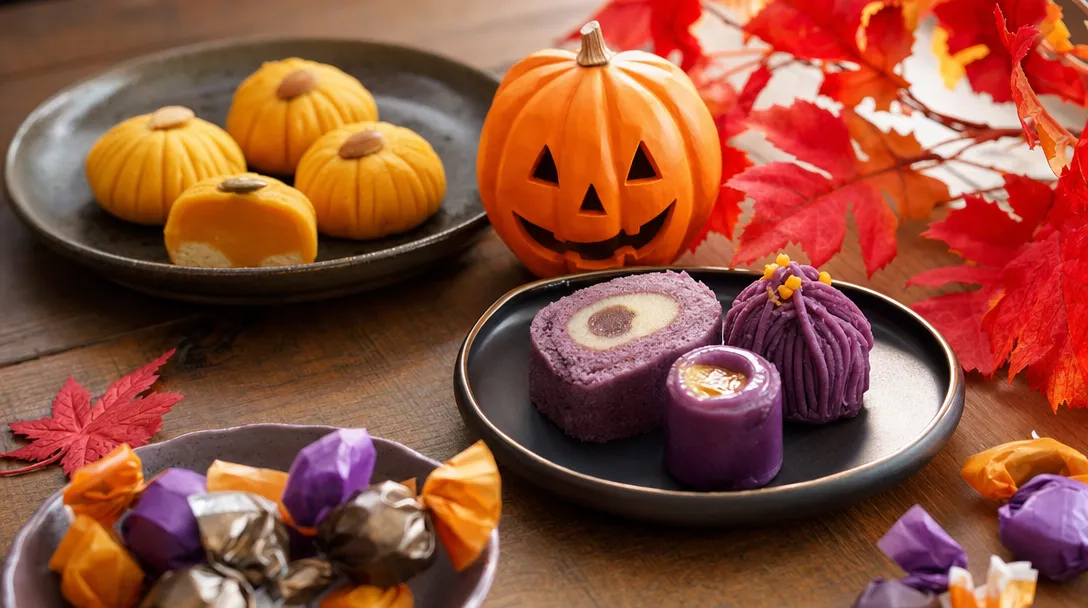
Door-to-door trick-or-treating is rare. For Halloween in Japan with kids, sweets are handed out at shopping malls, kindergartens and shopping streets, and Ikebukuro has a ¥500 kids’ ticket (cash on the day). In shops, pumpkin-flavoured and Halloween-packaged snacks appear from about September and mostly vanish after 31 October; see weird Japanese snacks for why Japan loves limited flavours.
Who should skip Halloween in Japan
- You want a street party with a drink in hand. That is exactly what Shibuya is trying to stop.
- You dislike crowds. Trains are packed on the night of 31 October and the weekend before; avoid Shibuya Station on 30–31 October evenings.
- You are travelling with young children and hoped for trick-or-treating. Choose Disney or a mall event instead.
Your next step: pick one event from the table, open its official page for tickets and costume rules, and buy your costume in Japan if you travel light. For a calmer evening, cultural experiences in Japan lists bookable activities.
After Halloween, Japan’s next shopping ritual is stranger still: sealed New Year “lucky bags” you buy without seeing what’s inside – Starbucks Japan sold its 2026 bag only by online lottery. How does that work? See fukubukuro, Japan’s New Year lucky bags, or the Japanese festivals calendar for every month of the year.
Halloween is ハロウィン (harowin) in Japanese; a costume is 仮装 (kasō).