 Eastbound Finds
Hana here – today’s shelf is the strange one. Japan’s KitKat line-up has passed 400 flavors, sake included, and Umaibo, a natto-flavored corn stick among others, cost just 10 yen for about 43 years. Below: four snacks that show why, where people in the US can actually buy them, and what changed for orders shipped from Japan. Facts checked on 9 and 15 October 2026.
Key points
- Japanese snack makers release many limited-time, seasonal and regional flavors, so shelves change often and some flavors sound weird to visitors.
- Nestlé Japan says KitKat in Japan has come in more than 400 flavors in total, including matcha and sake, and uses it to cheer on students before entrance exams.
- Umaibo is a puffed corn stick sold in flavors such as corn potage, mentai (cod roe) and natto; it cost 10 yen from 1979 until 2022 and 15 yen before tax since October 2024.
Show more
- In the US, Japanese supermarkets such as Mitsuwa and the Daiso US online store are the simplest way to buy, because orders shipped from Japan now owe duty and food by mail needs FDA Prior Notice.
- Some Japanese snacks contain gelatin, alcohol or common allergens, so read the ingredient list first.
Four snacks that show why Japan’s flavors get odd
KitKat as an exam charm. KitKat has been sold in Japan since 1973, and Nestlé Japan says the line-up has passed 400 flavors in total, including matcha and sake. The company also runs KitKat with the phrase “Kitto, negai kanau” (“your wish will surely come true”) – a pun on the name – and says it has long used KitKat to cheer on students sitting entrance exams. That is why a KitKat in Japan is often handed over as a small gift of encouragement rather than just a chocolate bar.
AdvertisingQuick pick: Japanese Kit Kat flavours – Amazon.com
 Mikan's note: Wait! A snack box or order shipped from a Japanese shop is no longer duty-free in the US, and food sent by mail needs FDA Prior Notice. Ask the shop who files it and who pays duty before you check out.
Umaibo, the 10-yen stick. Yaokin’s puffed corn stick launched in 1979 and stayed at 10 yen for about 43 years, until a rise to 12 yen in 2022 and to 15 yen before tax from 1 October 2024. Being that cheap made it a dagashi (penny candy) classic, and it let the maker try flavors like natto (fermented soybeans), mentai (cod roe) and corn potage, which came first in a fan vote whose results Yaokin announced in January 2023.
Bontan Ame – you eat the wrapper. Seika Foods in Kagoshima has made this soft citrus candy since 1924. Each piece sits inside a thin, edible starch film (oblaat), so the “paper” goes in your mouth too.
Candy you assemble yourself. Kracie’s Popin’ Cookin’ kits belong to a category Japan calls chiiku-gashi (“educational sweets”). In the sushi kit you mix only powder and water to shape soda-flavored rice, grape-flavored “tuna” and orange-soda “salmon roe” dropped from a pipette. It is made for children, but nothing explains Japan’s playful approach to sweets faster.
Where the strangeness comes from
- Limited-time editions (kikan gentei). Makers release flavors for a few weeks or one season, so shops change their shelves often.
- Seasons on the shelf. Sakura in spring, sweet potato and chestnut in autumn.
- Regional editions (gotochi). Flavors sold only in one area, bought as souvenirs (omiyage) for family and colleagues.
- Dinner flavors in snacks. Soy sauce, seaweed, wasabi and corn soup turn up in crisps and even chocolate. For more on how Japan uses chocolate as a gift, see Valentine’s Day and White Day in Japan.
| Flavor | Where you often find it |
|---|---|
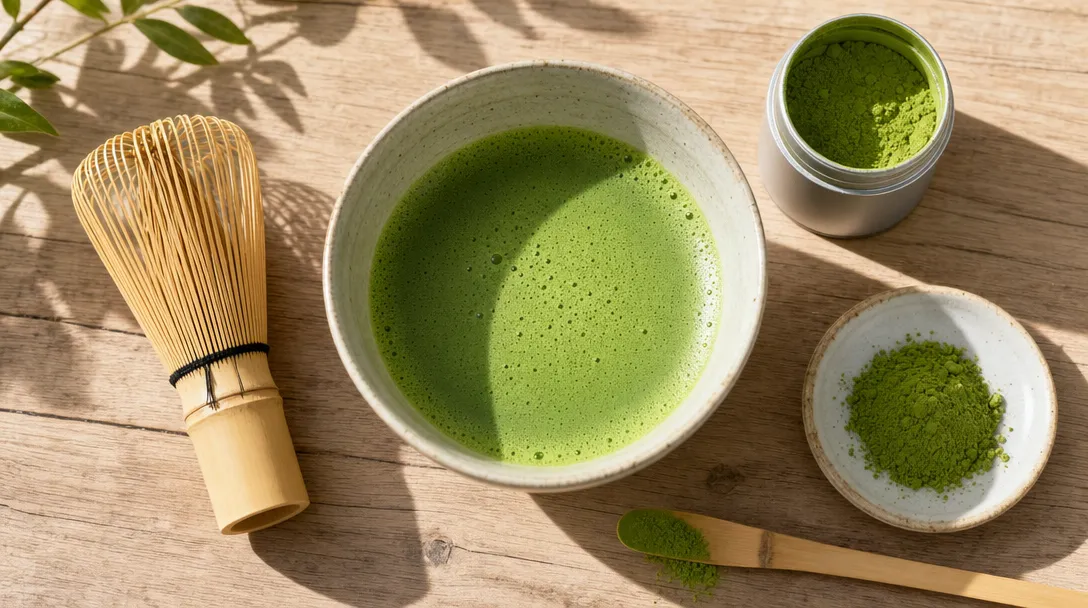
| Matcha (green tea) | KitKat, chocolate, cookies – see how to choose matcha |
| Wasabi, soy sauce, seaweed | Potato chips, rice crackers, some chocolate |
| Yuzu, ume (Japanese plum) | Hard candy, gummies, chips |
| Corn potage, natto, mentai | Umaibo and other dagashi |
Flavors change often. Check the packet or the maker’s website for what is sold now.
 Related guidesJapanese Snack Subscription Box: Bokksu vs Sakuraco vs TokyoTreat From $32.50/mo
Where to buy weird Japanese snacks in the US
| Option | What you get | Good to know (checked 15 Oct 2026) |
|---|---|---|
| Mitsuwa Marketplace (Japanese supermarket) | A Japanese supermarket chain with groceries from Japan | Stores in California, Hawaii (Waikiki), Illinois (Chicago), New Jersey and Texas (Plano). Its online ordering is for store pickup. |
| Daiso US online store | A snacks collection with Japanese brands such as Calbee and Koikeya | Many items showed “sold out” when we looked; the site also has a store locator for its US shops. |
| Snack subscription box | A mixed box of new and limited snacks each month | Ships from Japan, so duty applies – see our snack box comparison, where Bokksu listed $3 US import duty per box. |
| Ordering from a shop in Japan | Regional and limited editions you will not find in the US | Duty, carrier fees and FDA Prior Notice – see below. |
A US Japanese supermarket is the practical choice for the classics (Pocky, KitKat matcha, Calbee chips). The truly weird regional editions mostly exist only in Japan, so ordering from Japan or buying on a trip are the only ways to get those.
Ordering snacks from Japan to the US: what changed
- No more duty-free small parcels. U.S. Customs and Border Protection (CBP) says the duty-free de minimis treatment for goods worth $800 or less is suspended for products of all countries and all modes, including international mail (CBP e-commerce FAQ, last modified 2 September 2026). A snack order you pay for can therefore owe duty and fees on arrival. CBP says the separate exemption for genuine gifts is unchanged.
- FDA Prior Notice for food. Japan Post explains that food sent to the US for sale or distribution needs Prior Notice filed with the FDA and a confirmation number on the customs form. If a company or store is the sender, the parcel is not treated as a personal shipment, even if you bought it for yourself. Only food sent from one individual to another for personal use is currently exempt from the PN number.
- What to do: before paying, ask the shop whether it files Prior Notice for US orders and whether duty is included at checkout. If it cannot answer, buy in the US instead. Our guide to Japanese gifts ordered online compares shops that ship to the US.
Who should skip the weird stuff
- You need to avoid gelatin or alcohol. Gummies and soft candies often contain gelatin – Kracie’s allergen table for the Popin’ Cookin’ sushi kit marks gelatin and milk – and some chocolates have been made with sake or rum flavoring. Imported products sold in the US should carry an English ingredient list – read it.
- You have a serious food allergy. Wheat, milk, eggs, soy and peanuts are common. Kracie’s sushi kit, for example, says it is made in a facility that also handles wheat and eggs.
- You want one specific limited flavor. Boxes are surprise mixes, and limited editions are sold in Japan only for a short time. If the exact flavor matters, a Japanese shop that lists it by name is better than a box.
- You mainly want cheap snacks. In Japan an Umaibo costs 15 yen before tax; once shipping and duty are added, a small order from Japan costs far more than the snacks inside.
So what goes in the box?
If a monthly surprise box sounds easier than hunting flavor by flavor, the real question is which box ships the snacks you want for a price that still makes sense after duty – our Japanese snack box comparison lines them up. And if you would rather bring the strangest flavors home yourself, start with the regional omiyage classics, sake KitKat among them: Japanese souvenirs you can order online.