 Eastbound Finds
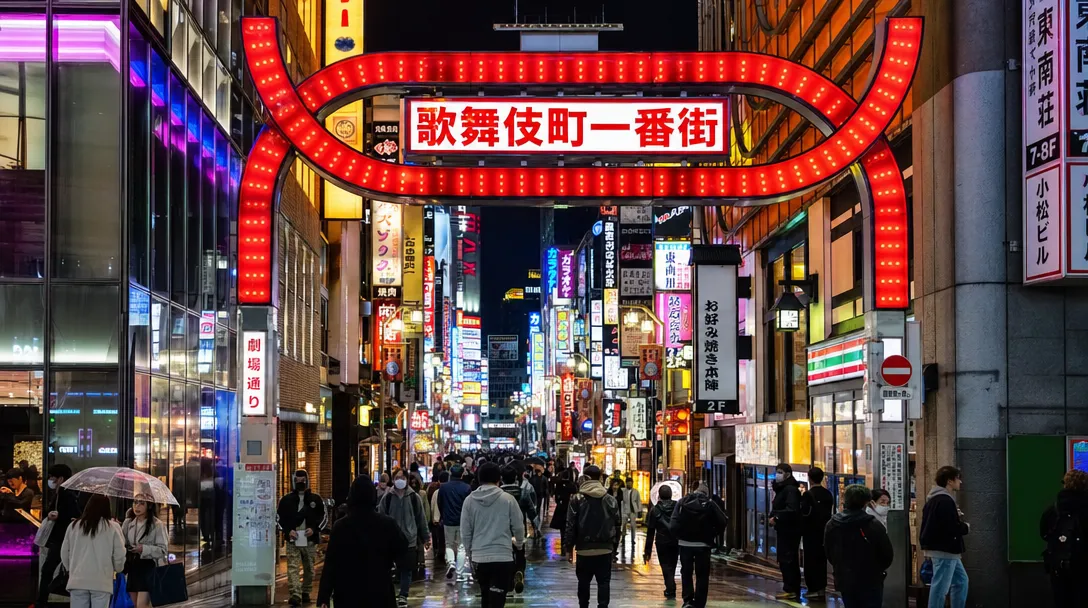
Kamurocho is real, just under another name: it is Kabukicho, a few minutes’ walk from Shinjuku Station in Tokyo. Sotenbori is Osaka’s Dotonbori, and Yakuza 6’s quiet harbour town is Onomichi in Hiroshima. The neon, the alleys and the noise match the games so closely that walking there feels like loading a save file. The one thing you won’t find is a gang member picking a fight with you on every corner.
Key points
- Kamurocho, the series' home district, is a fictional version of Kabukicho in Shinjuku, Tokyo; it has been in every main Yakuza game since the first one in 2005.
- Sotenbori is modelled on Osaka's Dotonbori, most likely the area around the south end of Ebisu Bridge; Yakuza 6's Jingaicho is set in Onomichi, Hiroshima; Ijincho is Isezakicho in Yokohama.
- Touting on the street is banned in Shinjuku City, and Shinjuku Police tell visitors never to follow a tout into a bar, because that is how overcharging happens.
Show more
- Golden Gai, next to Kabukicho, has around 280 tiny bars in a six-row block of alleys; most open around 8 pm, and photos are not allowed without permission.
- Onomichi is reached by bus or taxi from Shin-Onomichi Station on the Shinkansen in about 10–15 minutes, and Senkoji Park's 144.2 m hilltop looks out over the islands of the Seto Inland Sea.
To get a feel for it first, here is RGG Studio’s official game trailer for Yakuza 6, the entry set in Kamurocho and Onomichi (in Japanese):
Yakuza 6: The Song of Life – game trailer (RGG Studio official)
Game vs real life: the map
| In the games | Real place | Games it appears in | What to do there |
|---|---|---|---|
| Kamurocho | Kabukicho, Shinjuku, Tokyo | Every main Yakuza game since 2005 | Night walk, Golden Gai bars, the Godzilla head |
| Sotenbori | Dotonbori, Osaka (around the south end of Ebisu Bridge) | Yakuza 2, Yakuza 0, Yakuza 5, Yakuza Kiwami 2, Yakuza: Like a Dragon, Like a Dragon Gaiden | Street food, giant signboards, river walk |
| Jingaicho, Onomichi | Onomichi, Hiroshima | Yakuza 6: The Song of Life | Slopes, temples, the hilltop view over the Inland Sea |
| Nagasugai | Nakasu, Fukuoka | Yakuza 5 | Yatai street stalls, ramen, motsunabe, seafood |
| Ryukyu-gai | Kokusai-dori and around, Naha, Okinawa | Yakuza 3 | Kokusai-dori, Makishi Public Market, the sea |
| Isezaki Ijincho | Isezakicho, Yokohama | Yakuza: Like a Dragon, Like a Dragon: Infinite Wealth | Day trip from Tokyo |
Kamurocho was created by series producer Toshihiro Nagoshi and has appeared in every main Yakuza title, beginning with the first game in 2005.
AdvertisingQuick pick: Kabukicho night tours with a guide – GetYourGuide
 Mikan's note: In Kabukicho, if someone on the street offers you a cheap bar or a 'free' drink, say no and keep walking. Pick the bar yourself, and for all-you-can-drink, ask which drinks are included before you order.
Kamurocho vs Kabukicho: how real is it?
The person behind this site played Yakuza 6 until everything in it was completed, and wrote a Japanese strategy blog about it back in 2017: the Puyo Puyo arcade, the right answers at Snack Gaudi in Onomichi, every spirit photo spot. So here is our honest view of Kamurocho: what makes it great is that it feels as if it were the real Kabukicho. The density of signs, the side streets, the way the light changes at night, it all matches. What doesn’t match is the danger level. In real Kabukicho, being picked on by gangsters or getting caught up in a street fight is rare.
Things you can see for real:
- Golden Gai, right next to Kabukicho, packs around 280 tiny bars into a six-row block of narrow alleys. Most open around 8 pm. Some are members only, others welcome everyone. Photos are not allowed without permission, and you may not smoke or drink in the street (GO TOKYO, checked 27 October 2026).
- The Godzilla head looks down over Kabukicho from the 8th-floor terrace of the Shinjuku Toho Building, about 5 minutes on foot from JR Shinjuku Station and 3 minutes from Seibu-Shinjuku Station.
The series studio has its own nod to the real world, too: Yakuza 6’s Clan Creator mode includes real New Japan Pro-Wrestling stars.
 Related guidesPokémon Center Japan: Stores, Japanese Cards and the Pokémon Cafe
Is Kabukicho dangerous? The real risk is tout bars
Forget the fist fights. What actually costs visitors money in Kabukicho is the tout (kyakuhiki): someone on the street who invites you to a bar, often with a cheap or “free drink” offer. Here is what the police say (checked 27 October 2026):
- Touting on the street is banned in Shinjuku City. Shinjuku Police tell visitors never to follow a tout, because that is how people end up with huge bills at bars around Kabukicho.
- Tokyo’s police warn foreigners that touts, including people posing as someone flirting with you or contacts made through social media, lead people to partner bars, serve them very strong drinks, and then demand bills they don’t remember running up. Large charges can be made to a credit card without permission.
- With all-you-can-drink (nomihodai), some drinks are not included. Ask which drinks are covered before you order.
- If you get into trouble, call 110 (police) or Shinjuku Police Station on 03-3346-0110. If you can’t use a phone, go to the nearest police box (koban). The station has warning leaflets in English, Chinese and Korean.
The simple rule: pick bars yourself, check reviews online before you go in, and keep your card in your own hands. If you want company for a first night out, a guided Kabukicho night tour takes the guesswork out of choosing bars.
Sotenbori is Dotonbori in Osaka
Sotenbori is modelled on Dotonbori, most likely the area around the south end of Ebisu Bridge. A Japanese games site that compared them on foot found a few differences: the real Dotonbori has no “Sotenbori” signs, the famous Glico running-man sign is replaced by a different one in the game, and the 3D crane on a drugstore sign is missing. In the game the river boats only run in the daytime; in real life they also run at night.
What’s real is the food. In our experience, Sotenbori’s real-life area runs from Shinsaibashi down to Namba: Osaka’s “eat until you drop” (kuidaore) district, known for good food that is cheap. Dotonbori’s streets are lined with giant 3D signboards, from the crab of a crab restaurant to the Glico sign and a giant takoyaki, and the restaurants are busy all year. It is right outside Namba Station (OSAKA INFO). A Dotonbori food tour is the fastest way to eat your way through it.
A word about Osaka people, from our own visits, because the games get them right. Osaka has a culture all of its own. Some corners are a bit rough, and the way people talk can sound harsh to outsiders, but many people are warm-hearted and generous, and the whole place is genuinely funny. If a shopkeeper jokes with you, joke back.
Onomichi: Yakuza 6’s quiet town, recreated almost exactly
Yakuza 6 moved part of its story from neon to the seaside: its new stage was “Hiroshima Onomichi Jingaicho”. This is the place that surprised us most. Onomichi is a very peaceful town, and the game recreates it remarkably faithfully. It is also one of the most popular sightseeing spots in western Japan, and we recommend it even if you’ve never played the game.
- Getting there: from Shin-Onomichi Station on the Sanyo Shinkansen, a local bus to Onomichi Station takes about 15 minutes and a taxi about 10 (Onomichi City; the page dates from 2017, so check bus times locally). Onomichi Station itself is on the JR Sanyo Line.
- The view: Senkoji Park covers the top of Mount Senkoji (144.2 m), just north of Onomichi Station. From the observation deck you look over the town and the islands of the Seto Inland Sea, and on clear days you can see the mountains of Shikoku. It is also known for its night view over the Onomichi channel.
- The ropeway: the station is about a 3-minute walk from the Nagaeguchi bus stop (about 3 minutes by bus from Onomichi Station), and the ropeway climbs the hill in about 3 minutes (Onomichi City, page updated 1 March 2026).
Ijincho is Yokohama’s Isezakicho
Since Yakuza: Like a Dragon, the series has a second big city: Isezaki Ijincho, a fictional version of Isezakicho in Yokohama. It first appeared in Yakuza: Like a Dragon and returns in Like a Dragon: Infinite Wealth. Yokohama is close enough to Tokyo to see on a day trip, so it pairs well with a Shinjuku night.
Nagasugai is Nakasu in Fukuoka
Yakuza 5’s Nagasugai is modelled on Nakasu, Fukuoka’s nightlife island between the Naka and Hakata rivers, a short walk from Nakasu-Kawabata Station. Our take on the real place: it is the centre of Fukuoka’s night out, and it is famous for its yatai, open-air food stalls that set up by the river in the evening. Fukuoka City counts about 100 yatai across the city, and the city has had its own yatai ordinance since 2013 (Fukuoka City, Q&A updated April 2022). Come hungry: tonkotsu ramen, motsunabe (a hotpot of beef offal, cabbage and garlic) and, because the sea is right there, seafood such as oysters. Not every stall opens every night, so have a second one in mind.
Ryukyu-gai is Naha in Okinawa
Yakuza 3’s Ryukyu-gai is modelled on Kokusai-dori and the downtown streets around it, including the Makishi area, in central Naha, the capital of Okinawa. Of all the series’ cities, this is the one that feels least like the rest of Japan: the food, the drinks and the streets have a flavour of their own. Expect strong, rich flavours: Okinawa soba, rafute (pork belly braised in awamori and brown sugar), unusual fish you won’t see on the mainland, and fierce local liquor such as habushu, awamori with a habu snake in the bottle.
- Makishi Public Market reopened in a rebuilt building on 19 March 2023. Buy fish and seafood on the ground floor and a restaurant upstairs will cook it for you, a custom known as mochiage (Ryukyu Shimpo; Government of Japan, November 2025).
- The sea is close, and diving is big. Summer sun is strong, so plan for it. Habu jellyfish are dangerous: Okinawa’s 2026 advisory runs from 1 June to 30 September, and the official advice is to swim inside the jellyfish nets and carry vinegar (Visit Okinawa Japan).
- Going in late June or July? That’s when Okinawa’s one-night flower opens on summer evenings: here’s where to see sagaribana in Okinawa, from Naha’s own island to Iriomote.
- A local touch you may notice: many Okinawans go to the beach to hold a barbecue with friends rather than to swim.
Play before you go?
Which game to play depends on the trip. For Tokyo, any main game works, since Kamurocho is in all of them. For Osaka, play one with Sotenbori, such as Like a Dragon Gaiden. For Onomichi, it has to be Yakuza 6; for Fukuoka, Yakuza 5; for Okinawa, Yakuza 3. A search for Yakuza and Like a Dragon games on Amazon shows the editions available where you live.
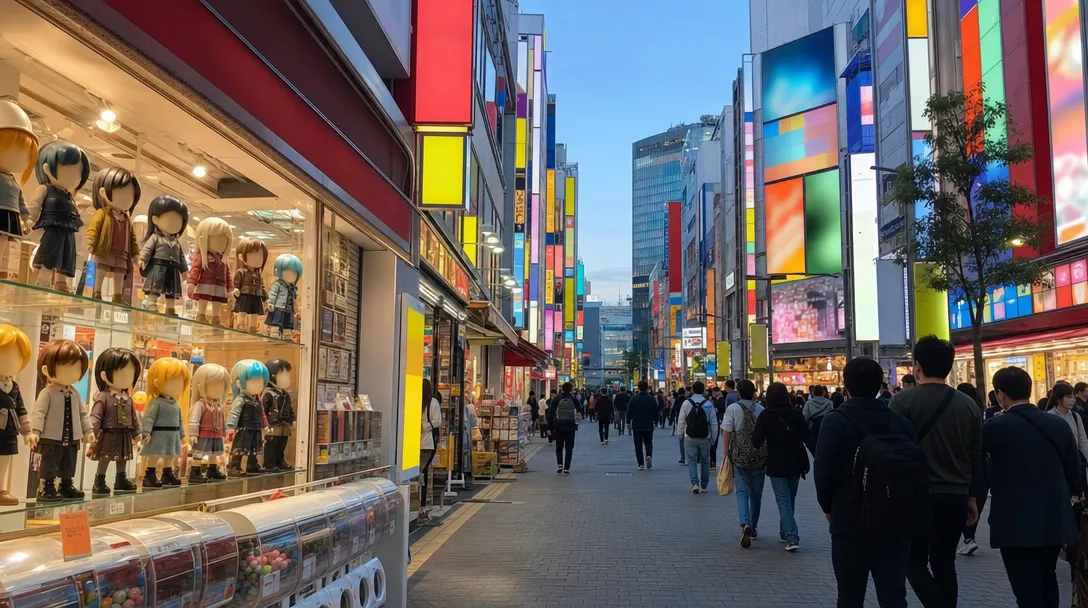
If Kamurocho is your first stop, the next question is where to go for the rest of your Tokyo pop-culture fix. Akihabara, Ikebukuro or Nakano? Our guide to Tokyo’s anime districts compares them. And if a night in Kabukicho leaves you hungry for more than one bar, which Tokyo food tour is worth it?
Prefer your Japanese crime stories on screen? The TV drama VIVANT – secret units, public-security police and deserts on the other side of Asia – is one Japan has been arguing about all year: here is what to know before you watch VIVANT, spoiler-free.