 Eastbound Finds
In Tokyo, several temples and shrines open the doors on their Lucky God statues (a kaichō, or unveiling) only from 1 to 7 January. Hana here: that week is when locals walk a shichifukujin meguri, a route linking the seven halls, and collect a seal from each on one board. This guide shows four official routes, how long each takes, what the board costs (1,000 yen in Fukagawa) and the manners that come first. Checked on 12 November 2026.
Key points
- Shichifukujin meguri is a New Year walk between the temples and shrines that each keep one of the Seven Lucky Gods; on the four Tokyo routes in this guide the statues go on view from 1 January, and the boards are given only until 7 January.
- The Fukagawa route (Morishita to Monzen-Nakacho) takes about 2 hours including visits, and its statues are shown from 9 am to 5 pm, 1 to 7 January.
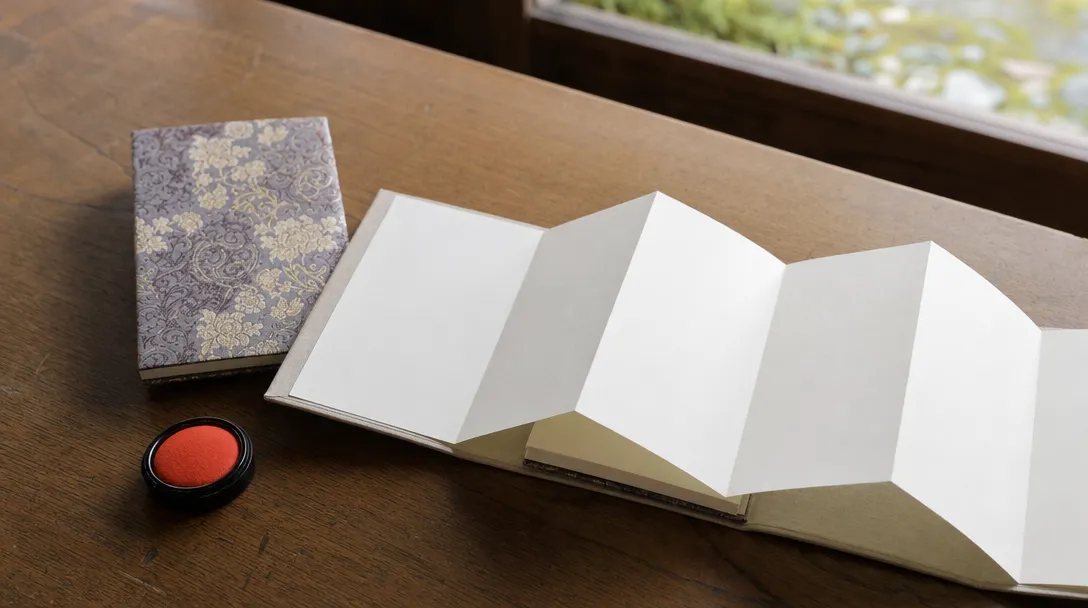
- On the Fukagawa route a seal board (shikishi) is 1,000 yen and each of the seven seals on it is 100 yen, so a full board costs 1,700 yen (official site, checked 12 November 2026).
Show more
- The Kameido route covers the seven gods at six sites in about 1.5 hours; the seal boards are given only from 1 to 7 January.
- It is a cultural custom, not a test: visit each hall first, then ask for the seal, and you can walk the route in any order.
Seven gods, three countries
The seven are Ebisu, Daikokuten, Bishamonten, Benzaiten, Fukurokuju, Jurojin and Hotei. Koto City’s guide to the custom describes where each comes from, and the mix is the surprising part: Bishamonten began as one of the four guardian kings of Buddhism in India, Benzaiten as an Indian river goddess linked with music and eloquence, and Hotei as a monk who is said to have lived in China. Jurojin is described as a Taoist figure and Fukurokuju as a star god. You can spot them by what they carry: Ebisu holds a fishing rod and a sea bream, Benzaiten a biwa lute, Hotei a big cloth bag and a fan, Daikokuten a mallet and rice bales.
AdvertisingQuick pick: Hotels in Tokyo for New Year – Trip.com
 Mikan's note: Wait! The seal offices close at 5 pm on the Fukagawa route, and most boards are only given until 7 January – start before lunch. Bring coins: seven 100-yen seals add up fast.
Koto City also says the walks are said to have started at Yanaka in the early 19th century (the Bunka–Bunsei era) and spread across Tokyo from the late Meiji to the early Showa period. Fukagawa’s route stopped during the war and was revived in 1970; Kameido’s in 1978.
Before the first seal: how to visit
The seal is a record of a visit, so the visit comes first. At each stop, bow at the gate, rinse your hands if there is a water basin, offer a coin and pray quietly at the hall, then go to the counter and ask for the seal on your board. The bows and claps differ between shrines and temples – our shrine and temple etiquette guide shows both. If you already carry a goshuin book, note that route boards are a separate thing; how ordinary seals work is in the goshuin guide.
You do not have to believe anything to take part. Many people walk it as a New Year stroll, and nothing is lost if you skip a stop.
 Related guidesCherry Blossom Forecast 2027: Japan Bloom Dates for Tokyo, Kyoto, Osaka, Sapporo
Four Tokyo routes compared
| Route | Area and stations | Time (official guide) | When | What we could confirm |
|---|---|---|---|---|
| Fukagawa | Morishita → Monzen-Nakacho (Koto) | About 2 hours | 1–7 Jan, 9 am–5 pm | Board 1,000 yen, seals 100 yen each, lucky bamboo 1,000 yen, bells 400 yen each |
| Kameido | Kameido-Suijin → Kameido (Koto) | About 1.5 hours | Boards 1–7 Jan | Seven gods at six sites; one site shows its statue only until 3 Jan, another until 15 Jan |
| Shinjuku Yamanote | Kagurazaka → Kabukicho (Shinjuku) | Not given | 1–7 Jan | Seals, board and figurines are paid; each site handles its own board |
| Itabashi | Seven temples in Itabashi | Not given | Statues shown 1–7 Jan | Wooden statues about 25 cm tall, said to have been made around 1937 by a local carver |
We left out routes where we could not find the period or the fees on an official page.
Fukagawa: sumo stables and the longest list of prices
The Koto City Tourism Association’s suggested order starts 3 minutes from Morishita station: Fukagawa Shinmei-gū (Jurojin), Fukagawa Inari (Hotei), Ryūkō-in (Bishamonten), Enju-in (Daikokuten), Shingyō-ji (Fukurokuju), Fuyuki Benten-dō (Benzaiten) and Tomioka Hachiman-gū (Ebisu), 4 minutes from Monzen-Nakacho. The walking legs are 3 to 15 minutes each. The association points out the street of sumo stables on the way – if that catches your eye, see how to watch sumo in Japan.
Prices from the Fukagawa association’s site (checked 12 November 2026):
| Item | Price |
|---|---|
| Shikishi (seal board) | 1,000 yen |
| Each seal (on the route’s own board only) | 100 yen |
| Fukuzasa (lucky bamboo branch) | 1,000 yen |
| Bell (one per god) | 400 yen each |
A full board with all seven seals is 1,700 yen; collecting all seven bells as well adds 2,800 yen.
Kameido: the shortest walk, with Skytree views
Kameido’s seven gods sit in three shrines and three temples – Katori Shrine keeps both Ebisu and Daikoku. The official guide suggests starting at Jōkō-ji near Kameido-Suijin station or at Katori Shrine near Kameido, and notes views of Tokyo Skytree and old-fashioned shopping streets on the way. Dates differ by site: the statues are shown from 1 January, but Tōkaku-ji shows its statue only until 3 January and Jōkō-ji until 15 January; the boards are given only until 7 January.
Shinjuku Yamanote: a Lucky God in Kabukicho
Shinjuku City’s page lists seven sites from Zenkoku-ji in Kagurazaka (Bishamonten) to Inari Kiō Shrine in Kabukicho (Ebisu). One detail matters if you come late: from 8 January, the Benzaiten seal of Itsukushima Shrine is handled at Nishimuki Tenjin instead. The city adds that each temple or shrine runs its own part, so ask there about the board. If Kabukicho sounds familiar from games, our Yakuza real-life locations guide maps the neighbourhood.
Going in the first week of January
Koto City’s tourism association says the New Year unveiling week draws many visitors, and many shops and restaurants close in the first days of January – check what is open over New Year before you plan meals. Start in the morning: on the Fukagawa route the halls are open from 9 am to 5 pm.
Can I do this without Japanese?
Mostly yes, but we could not confirm English signs at the counters, so we do not give a rating. No booking is needed: the boards are given at the temples and shrines on the route during the New Year week, and you can show yours at each counter. The Koto City Tourism Association’s site has an English version, and it suggests a local volunteer guide (Koto City cultural and tourism guides) for people who want explanations along the way.
If one week in January is too short for your trip, which other New Year customs can you join in Tokyo – and which places close for them? Start with Japan’s New Year holidays: what’s closed and what’s open.
Checked on 12 November 2026 on the official pages of the Fukagawa Seven Lucky Gods Association, the Koto City Tourism Association, Koto City, Shinjuku City and Itabashi City. Dates and prices are set by each route and can change; check again in late December.