Japanese vs Korean sunscreen: how to choose (SPF, PA and texture)
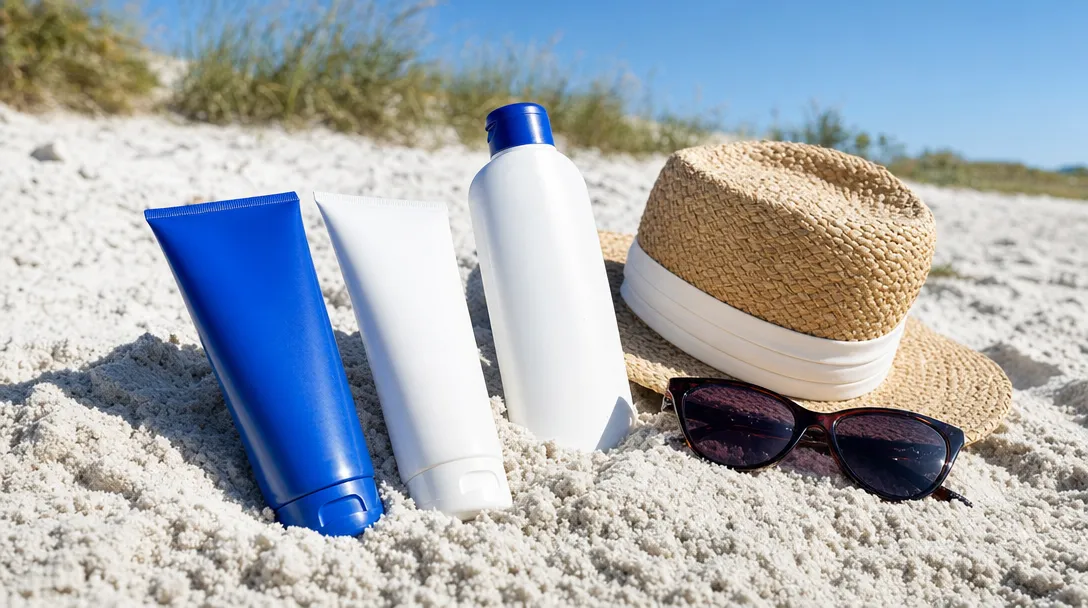
Japanese and Korean sunscreens are popular because many of them feel light, like a moisturiser or essence, and sit well under makeup. The labels can be confusing, though: SPF50+, PA++++, “milk”, “essence”, “gel”. This guide explains what they mean and what to check before you buy.
What do SPF and PA mean?
- SPF shows protection against UVB, the rays that cause sunburn.
- PA is a Japanese rating for UVA protection. More “+” signs means more UVA protection, from PA+ to PA++++.
In Europe you will usually see a “UVA” mark in a circle instead of PA. The EU recommendation asks for UVA protection of at least one third of the SPF value.
Japanese vs Korean sunscreen: what is different?
Both are known for light textures. In general:
| Japanese | Korean | |
|---|---|---|
| Typical feel | Watery essences, gels and milks, made for daily use and the beach | Light creams and essences that feel like skincare |
| Examples of brands | Biore, Anessa | Beauty of Joseon, Isntree, Round Lab |
These are tendencies, not rules. Read the page of the exact product.
Which texture for which skin?
- Oily or combination skin: gels and watery essences feel lighter.
- Dry skin: milks and creams usually feel more moisturising.
- Sensitive skin: look for a fragrance-free product and test it on a small area first.
- Water or sweat: check whether the label says water-resistant, and reapply about every two hours and after swimming or towelling off.
Is the version I can buy the same as the Japanese one?
Not always. A product with the same name can have a different formula in Japan, the US and Europe, because each market has its own rules on which UV filters are allowed. Check the ingredient list and product details on the seller’s page, and do not assume it matches reviews of the Japanese version.
How to avoid fakes
- Buy from large pharmacies, the brand’s official store or authorised sellers.
- Be careful with prices far below other shops.
- Check the packaging is intact and importer details are shown if the product is sold in your country.
Will I pay import fees?
If you order from Japan or Korea, import VAT or duty and a handling fee from the carrier may apply when the parcel arrives. Rules differ by country and order value, so check the shop’s shipping page first.
Checked 8 October 2026. Formulas, names and packaging change, so read the label on the product you actually buy.
Sources
This content was generated with AI. Please check the sources below and official information before making decisions.